
It is just appalling the nerve strain people put themselves under trying to buy something today and sell it tomorrow.
~Philip Fisher
What are the dangers of market timing?
The first is not being invested for the long-term in markets which historically have risen most of the time.
The second is that those who attempt to move in and out of markets are more vulnerable to being whipsawed:
1) Selling at the worst times
2) Buying at the worst times
Corrections and rallies resemble the end of bull and bear markets which causes investors to repeatedly get scared out of rising markets and lured back into falling markets.
That’s why our solution to market timing, our “pension-style” portfolios, employ defensive strategies that can help you to stay invested.
Let’s examine common pitfalls of market timing:
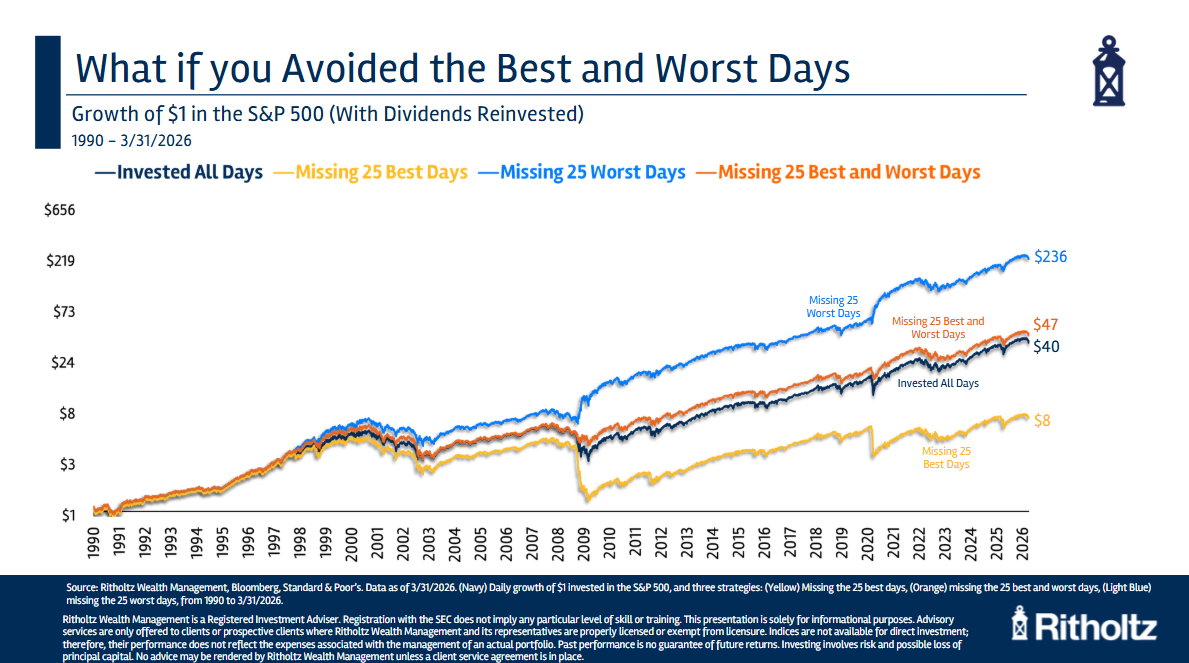
- Avoiding the Best and Worst Days is Impossible: Market timing is frustrating and futile because no one can correctly predict either the very few best or worst trading days spread out among several years!
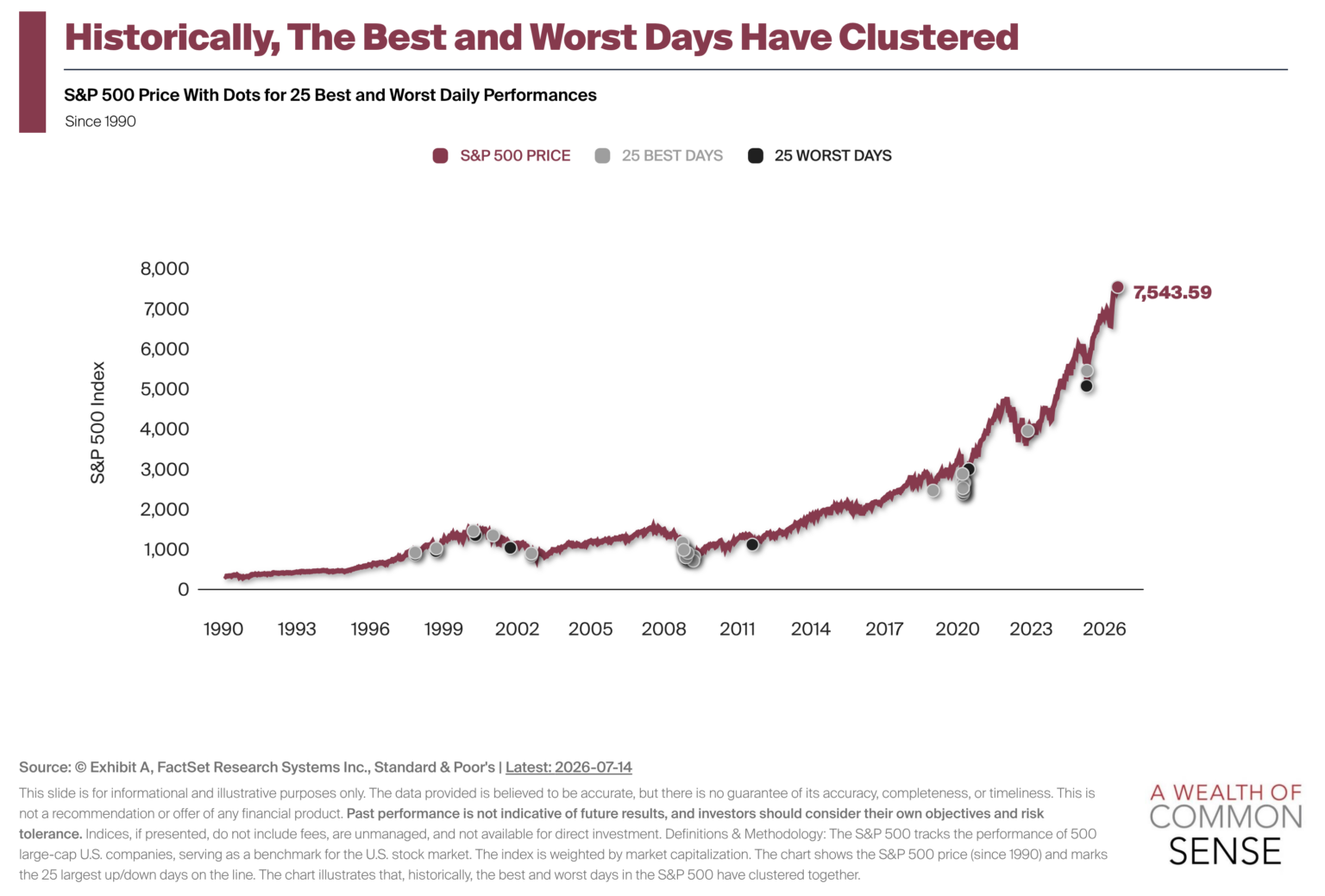
- The Best and Worst Days are Closely Clustered Together: Market timing is even more difficult because attempting to miss those worst days often means missing the very best days too!
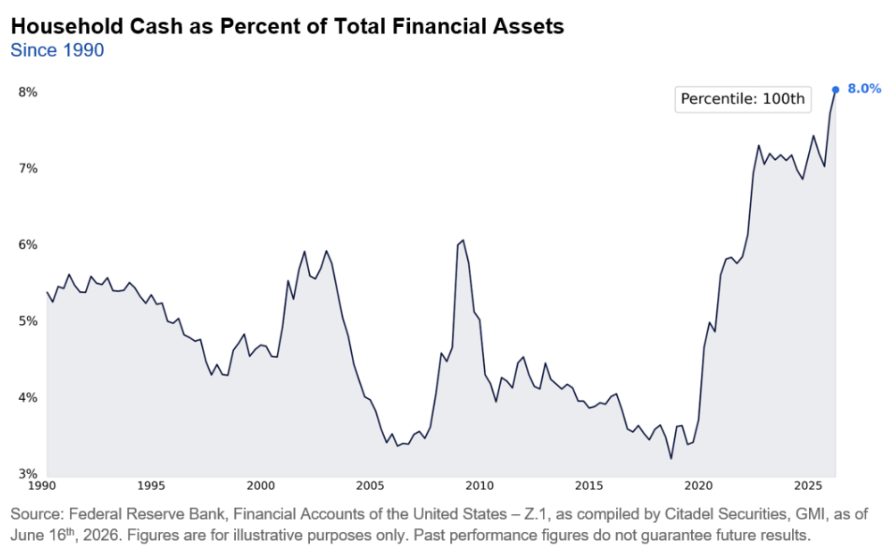
- Investors’ Track Record of Market Timing: In reality, fear and greed often cause investors to own less stocks during periods when they are rising and to hold more stocks during periods when they are falling.
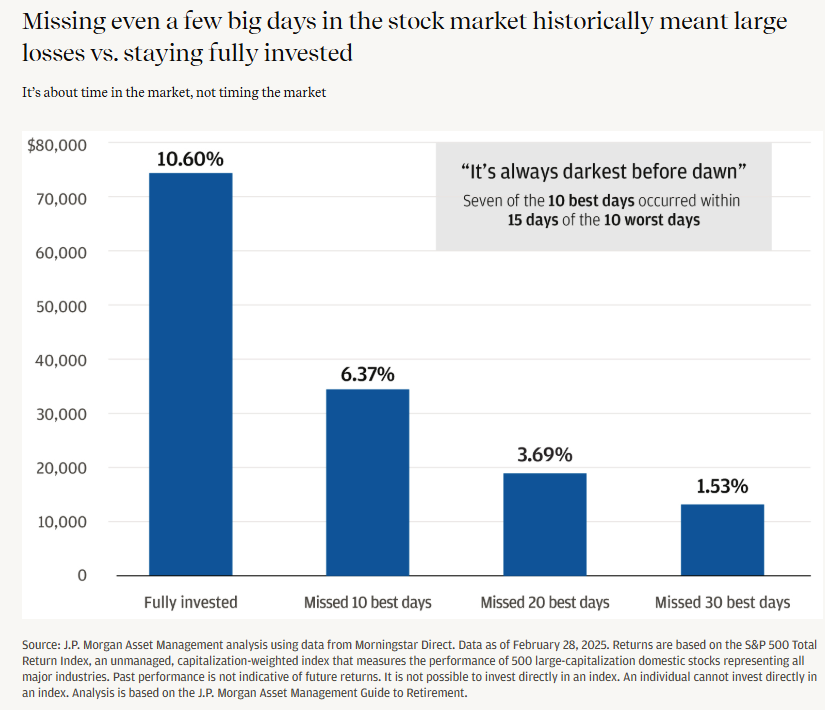
- The Impact of Attempting Market Timing Can Be Expensive: Loss aversion is a very powerful emotion which can cause investors to wait to get back into the market until after they have recovered. This has meant missing some of the very best returns historically.
We clearly see evidence that investors need a comprehensive plan to manage market volatility to help them achieve their long-term goals.
Call us to discuss how our “pension-style” portfolios can help you.
Your CommonWealth Team
If you are a truly long-range investor, of which I am practically a vanishing breed, the profits are so tremendously greater.
~Philip Fisher
